
Table of Contents
- What Is the Turkish Night Show?
- History of Turkish Night Entertainment
- Why Attend a Turkish Night?
- The Shows You'll See
- Belly Dance Performance
- Turkish Folk Dances
- Whirling Dervish Ceremony
- Traditional Turkish Music
- Dinner & Cuisine
- Typical Menu
- Venues in Cappadocia
- Pricing & Packages
- What to Wear
- Cultural Etiquette
- Turkish Night with Children
- Photography Tips
- Best Time to Attend
- Frequently Asked Questions
- Insider Tips
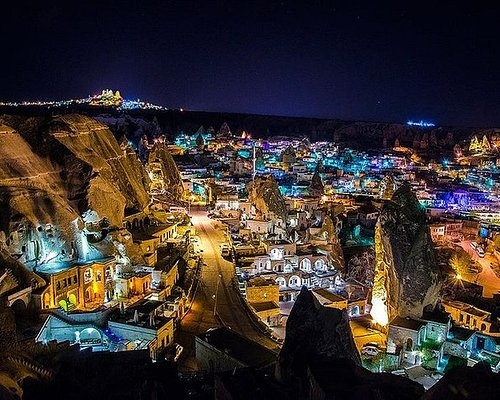
What Is the Turkish Night Show in Cappadocia?
The Turkish Night Show (Türk Gecesi) is a traditional cultural entertainment experience that brings together the best of Turkish performing arts, cuisine, and hospitality. Held in specially designed venues throughout Cappadocia, these shows offer visitors an immersive evening of entertainment that showcases Turkey's rich cultural heritage.
A typical Turkish Night Show in Cappadocia lasts approximately 3-4 hours and includes a multi-course traditional dinner, unlimited local drinks, and a spectacular program of performances. From the mesmerizing spins of whirling dervishes to the energetic movements of belly dancers, from traditional folk dances to live Turkish music, the evening is a feast for all the senses.
The Complete Experience
A Turkish Night is more than just a dinner show - it's a journey through Turkish culture and history. The experience typically unfolds as follows:
Arrival and Welcome: Guests are greeted with traditional Turkish hospitality and seated at beautifully decorated tables. The atmosphere is festive, with Turkish music playing in the background.
Dinner Service: A multi-course meal featuring traditional Turkish cuisine is served throughout the evening. Dishes range from meze appetizers to grilled meats, fresh salads, and traditional desserts.
The Performances: Between courses, a series of performances showcases different aspects of Turkish culture. Each performance is carefully choreographed and professionally executed.
Audience Participation: Many shows include opportunities for guests to join the dancing, learn basic moves, and fully immerse themselves in the experience.
Grand Finale: The evening typically concludes with a spectacular finale that brings together multiple performers and often includes audience participation.
Who Should Attend a Turkish Night?
Turkish Night Shows are suitable for:
- Culture enthusiasts: Those who want to experience authentic Turkish traditions
- Families: A fun, entertaining evening suitable for all ages
- Couples: A romantic evening with great food and entertainment
- Groups: Perfect for celebrating special occasions
- Solo travelers: A social experience where you can meet other travelers
- Food lovers: An opportunity to sample a wide variety of Turkish dishes
Key Takeaway
The Turkish Night Show is an essential Cappadocia experience that combines entertainment, education, and culinary delight. It's the perfect way to spend an evening after a day of exploring the region's natural wonders, offering a deeper understanding and appreciation of Turkish culture.
The History of Turkish Night Entertainment
To truly appreciate the Turkish Night Show, it helps to understand its historical and cultural roots. The traditions showcased in these performances have evolved over centuries, reflecting the rich tapestry of Turkish history.
Ottoman Origins
Many elements of the modern Turkish Night Show trace their origins to the Ottoman Empire, which ruled much of Southeast Europe, Western Asia, and North Africa from the 14th to the early 20th century. The Ottoman court was famous for its sophisticated entertainment, including music, dance, and theatrical performances.
The Ottoman palace employed professional musicians, dancers, and performers who entertained the sultan and his court. These performers were highly trained and respected members of society, and their art forms were passed down through generations.
The Sema Ceremony
The whirling dervish ceremony (Sema) has its roots in the 13th century with the followers of the mystic poet Rumi. This spiritual practice was developed by the Mevlevi Order as a form of active meditation, using the spinning motion to achieve a trance-like state of spiritual connection.
The Sema was recognized by UNESCO in 2008 as an Intangible Cultural Heritage of Humanity, acknowledging its significance as a spiritual and artistic tradition. Today, it remains one of the most captivating elements of any Turkish Night Show.
Belly Dance in Turkey
Belly dance (Oryantal dans) has a complex history in Turkey. While similar dance forms existed throughout the Middle East and Mediterranean for centuries, Turkish belly dance developed its own distinctive style influenced by Romani (Gypsy) culture, Ottoman court entertainment, and regional folk traditions.
In the early 20th century, belly dance moved from private gatherings to public venues, particularly in Istanbul's nightlife districts. Turkish belly dancers became famous throughout the Middle East for their energetic, athletic style and use of finger cymbals (zils).
Folk Dance Traditions
Turkey's folk dance traditions are incredibly diverse, reflecting the country's geographic and cultural variety. Each region has its own distinctive dances, costumes, and music:
Halay: A line dance popular in Eastern and Southeastern Turkey, characterized by rhythmic stepping and shoulder movements.
Zeybek: A heroic dance from the Aegean region, performed with proud, upright posture and dramatic arm movements.
Horon: A fast, energetic dance from the Black Sea region, performed by both men and women.
Kasik Oyunu: A spoon dance where dancers use wooden spoons as percussion instruments.
The Modern Turkish Night
The concept of the "Turkish Night" as a packaged entertainment experience for tourists developed in the mid-20th century as Turkey's tourism industry grew. Hotels and restaurants began offering dinner shows that combined various traditional performances with Turkish cuisine.
In Cappadocia, Turkish Night Shows became particularly popular as the region developed as a tourist destination in the 1980s and 1990s. Today, they are an essential part of the Cappadocia experience, alongside hot air balloon rides and valley tours.
Historical Note
When you watch a whirling dervish spin or see a belly dancer perform at a Turkish Night, you're witnessing traditions that have been passed down through generations. These art forms have survived empires, wars, and social changes to remain vibrant parts of Turkish culture today.
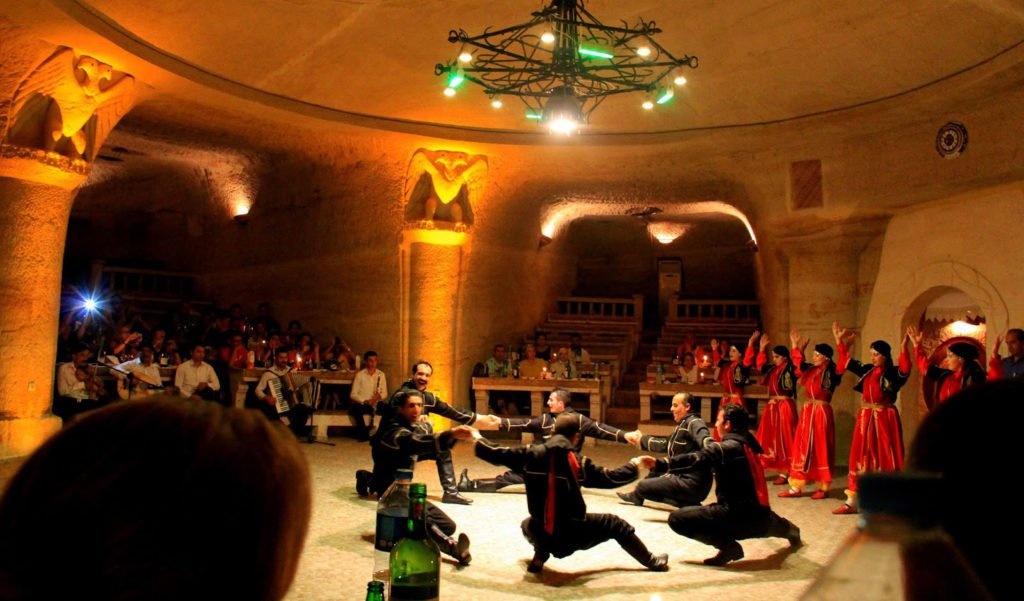
Why Attend a Turkish Night Show in Cappadocia?
With so many things to do in Cappadocia, why should you make time for a Turkish Night Show? Here are compelling reasons why this experience deserves a place on your itinerary:
Cultural Immersion
A Turkish Night Show offers one of the most accessible ways to experience Turkish culture. In a single evening, you'll be introduced to multiple art forms - music, dance, and cuisine - that have been central to Turkish life for centuries. The performances provide context and meaning that enhance your understanding of the country you're visiting.
Perfect Evening Entertainment
After a day of exploring Cappadocia's valleys, underground cities, and fairy chimneys, a Turkish Night provides the perfect evening entertainment. You can relax, enjoy a delicious meal, and be entertained without any physical exertion.
Culinary Experience
Turkish cuisine is one of the world's great culinary traditions, and a Turkish Night dinner showcases its diversity and quality. The multi-course meal introduces you to dishes you might not otherwise try, from traditional meze to regional specialties.
Entertainment Value
The quality of performances at Cappadocia's Turkish Night Shows is surprisingly high. Professional dancers, musicians, and performers deliver polished, engaging shows that keep audiences entertained throughout the evening.
Great Value
When you consider what's included - a multi-course dinner, unlimited drinks, and 2-3 hours of professional entertainment - Turkish Night Shows offer excellent value. Prices typically range from €40-70 per person, making this an affordable luxury.
Comparison with Other Evening Activities
| Activity | Price | Duration | Food | Entertainment | Cultural Value |
|---|---|---|---|---|---|
| Turkish Night | €40-70 | 3-4 hours | Full dinner | ★★★★★ | ★★★★★ |
| Restaurant dinner | €20-40 | 1-2 hours | Meal only | ★ | ★★ |
| Bar/club | €30-60 | Variable | Drinks only | ★★★ | ★ |
Why We Recommend Turkish Night
If you have only one evening to spend in Cappadocia, make it a Turkish Night. The combination of great food, spectacular entertainment, and cultural immersion creates an experience that perfectly complements the natural wonders you'll see during the day.
The Shows You'll See at a Turkish Night
A Turkish Night Show is a carefully curated program of performances, each showcasing a different aspect of Turkish culture. Here's what you can expect to see:
Opening Performance
The evening typically begins with a welcoming performance that sets the tone for the night. This might be a traditional folk dance or a musical introduction featuring Turkish instruments like the oud (lute), kanun (zither), or darbuka (goblet drum).
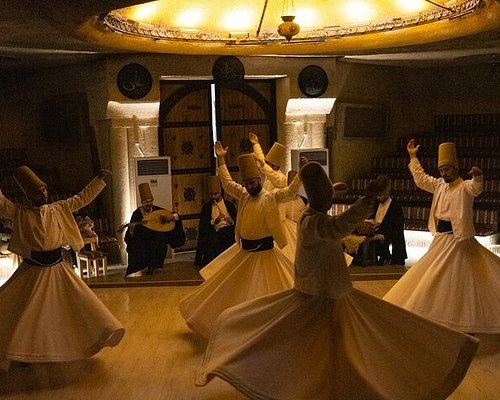
Whirling Dervish Ceremony (Sema)
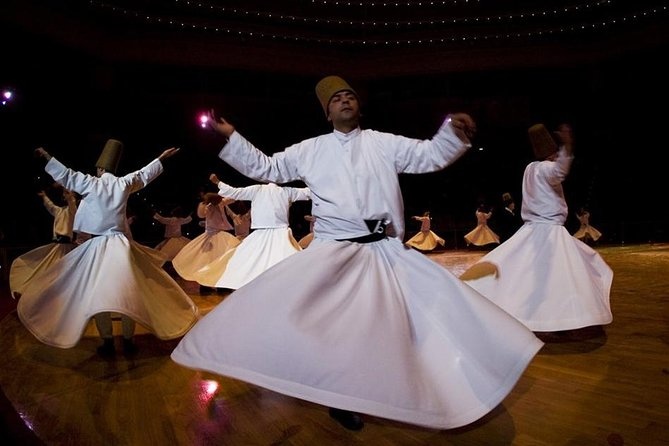
The Sema ceremony is often the first major performance of the evening. This spiritual practice of the Mevlevi Order features dervishes in white robes spinning in a ritualized dance that represents a mystical journey toward truth and divine love.
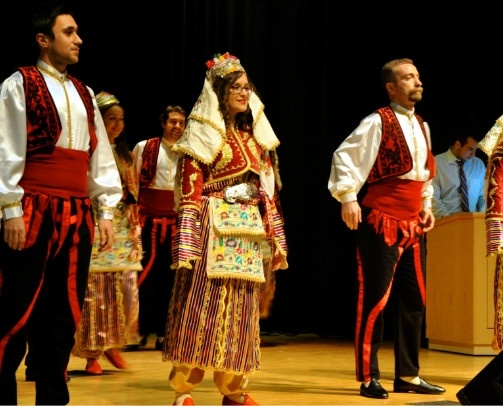
Folk Dance Performances
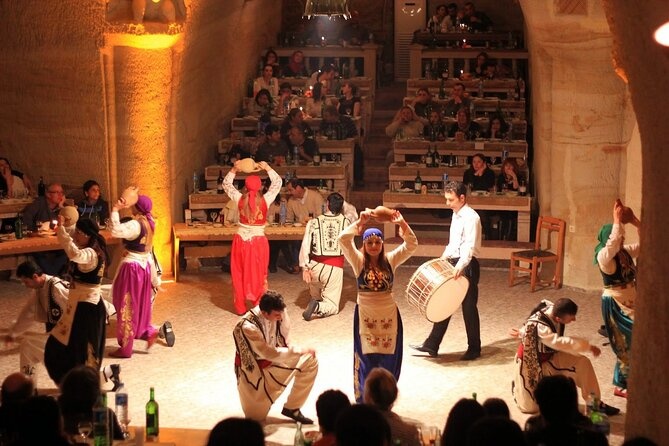
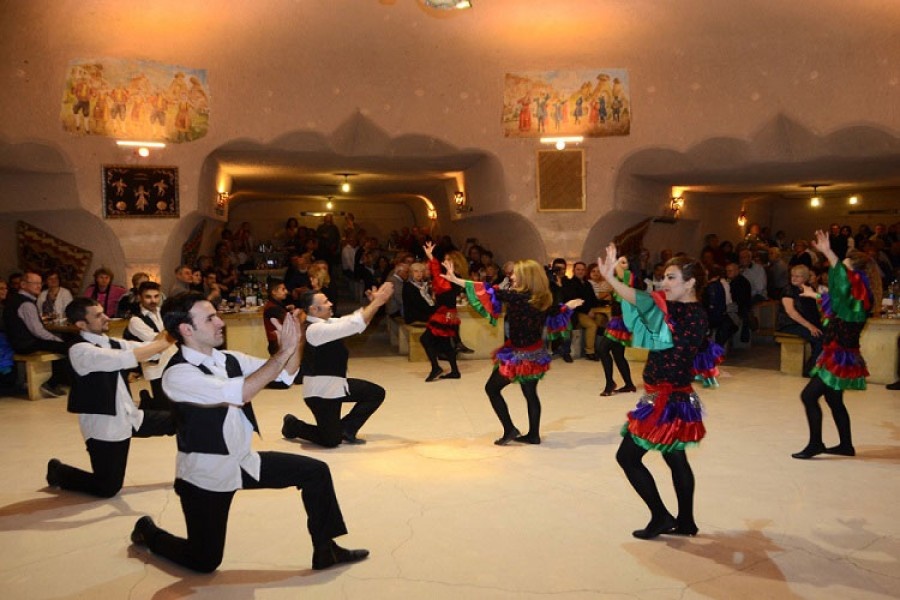
A series of folk dance performances showcases the diversity of Turkey's regional dance traditions. Dancers in colorful traditional costumes perform dances from different parts of the country:
Halay: Dancers form a line or circle, performing rhythmic steps and shoulder movements.
Zeybek: Male dancers perform this proud, heroic dance from the Aegean region.
Horon: Fast, energetic dancing from the Black Sea region.
Kasik Oyunu: Dancers use wooden spoons as percussion instruments.
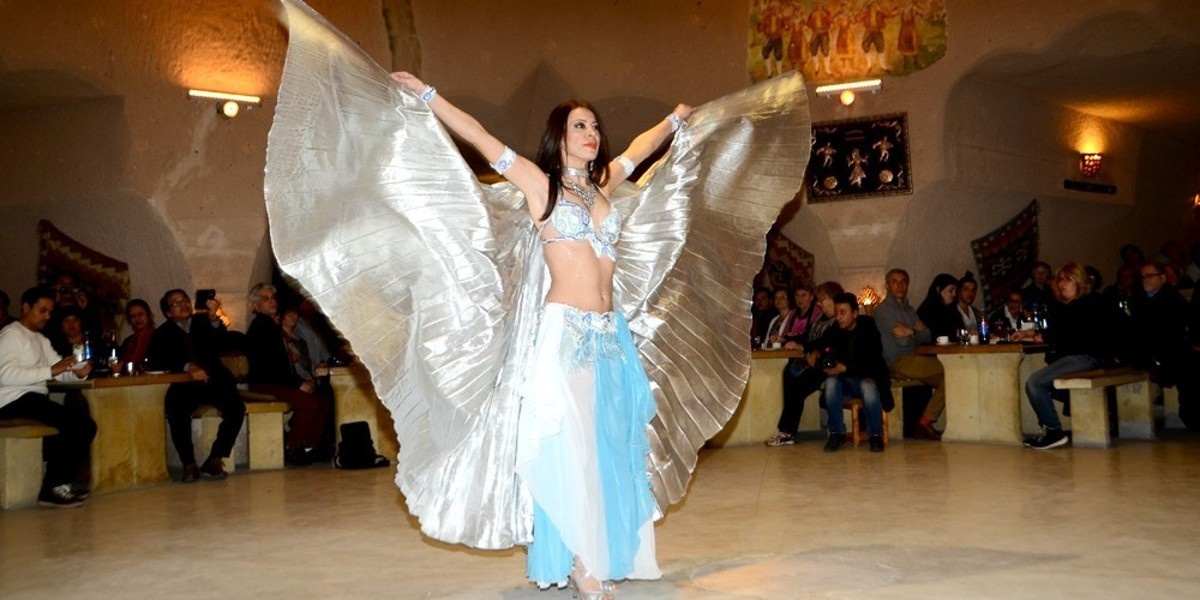
Belly Dance Performance
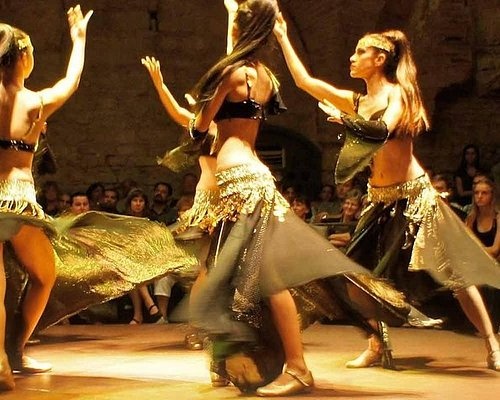
The belly dance is typically one of the highlights of the evening. Professional dancers in elaborate costumes perform this sensual, expressive dance that has captivated audiences for centuries.
Traditional Music
Throughout the evening, live musicians perform traditional Turkish music. The ensemble typically includes oud, kanun, darbuka, ney, and violin.
Audience Participation
Many Turkish Night Shows include opportunities for audience participation. This might include dance lessons, group dancing, and photo opportunities with performers.
Show Schedule Tip
The exact order and content of performances varies by venue and evening. Some shows may include additional elements like fire dancing, acrobatics, or regional specialties. Check with your operator for the specific program.
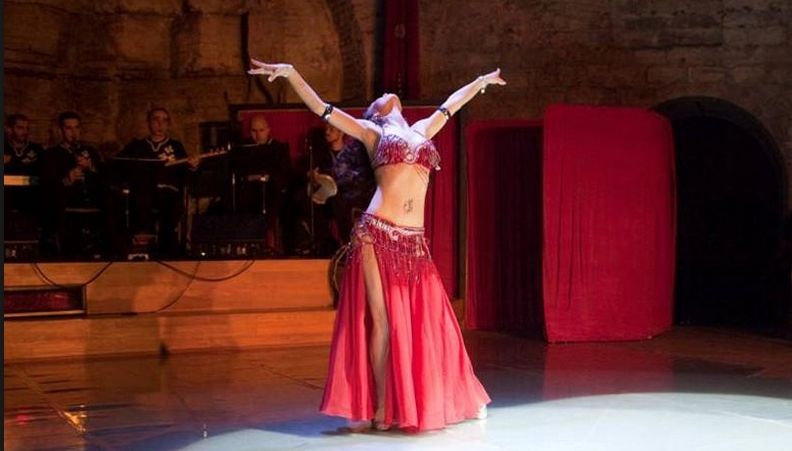
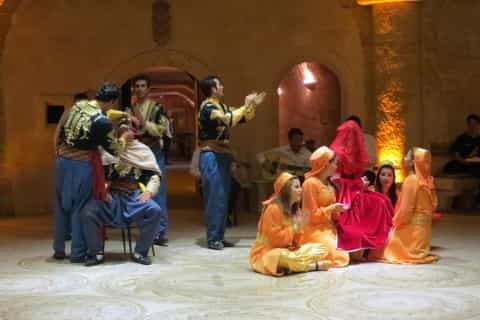
Belly Dance: The Art of Oriental Dance
The belly dance (Oryantal dans) is one of the most anticipated performances at any Turkish Night Show. This ancient art form, with its sinuous movements and expressive style, has captivated audiences for thousands of years.
History of Belly Dance
Belly dance has ancient roots in the Middle East, Mediterranean, and North Africa. Similar dance forms existed in ancient Egypt, Mesopotamia, and the Ottoman Empire. The dance evolved over centuries, influenced by various cultures and traditions.
Turkish Belly Dance Style
Turkish belly dance is characterized by:
Energetic Movements: Turkish dancers are known for their athletic, dynamic style. Movements are often faster and more energetic than in other belly dance traditions.
Floor Work: Turkish belly dance often includes movements performed close to the floor, showcasing flexibility and control.
Zils (Finger Cymbals): Turkish dancers commonly use finger cymbals to accent the music and add rhythmic complexity.
Costumes: Turkish belly dance costumes are typically more revealing, featuring bra tops, hip belts with coins, and flowing skirts.
The Performance
A professional belly dance performance at a Turkish Night is a polished, choreographed show that showcases the dancer's skill and artistry. The performance typically includes an entrance with veil, classical section, folkloric section, drum solo, and finale.
Audience Participation
Many Turkish Night Shows include an audience participation segment during or after the belly dance performance. The dancer may invite volunteers from the audience to learn basic moves on stage.
Belly Dance Tip
Don't be shy if the dancer invites you on stage! The audience participation segment is meant to be fun and inclusive. Even if you have two left feet, you'll create a memorable experience and get great photos.
Turkish Folk Dances: Regional Traditions
Turkish folk dances (Halk Oyunlari) are an essential part of the Turkish Night experience. These dances reflect the incredible diversity of Turkey's regions, each with its own distinctive styles, costumes, and music.
Halay: The Dance of Eastern Turkey
Halay is one of the most widespread folk dances in Turkey, particularly popular in Eastern and Southeastern Anatolia. It's a line or circle dance performed by men and women together.
Characteristics:
- Dancers hold hands or shoulders, forming a line or circle
- The dance features rhythmic stepping and shoulder movements
- The leader (halaybasi) sets the pace and direction
- Music is typically played on zurna and davul
Zeybek: The Heroic Dance of the Aegean
Zeybek is a proud, heroic dance from the Aegean region of western Turkey. It originated with the Zeybeks, irregular militia who resisted Ottoman centralization.
Characteristics:
- Performed primarily by men
- Dancers stand upright with arms extended
- Movements are slow, deliberate, and powerful
- Costumes include traditional vests, sashes, and baggy pants
Horon: The Energetic Black Sea Dance
Horon is a fast, energetic dance from the Black Sea region. The region's humid climate and mountainous terrain have produced a dance style that's dynamic and athletic.
Kasik Oyunu: The Spoon Dance
Kasik Oyunu (Spoon Dance) is a playful, rhythmic dance performed with wooden spoons as percussion instruments.
Folk Dance Tip
Pay attention to the differences between the dances - the music, movements, and costumes all reflect the unique character of each region. It's like taking a journey across Turkey without leaving your seat!
Whirling Dervishes: The Mystical Sema Ceremony
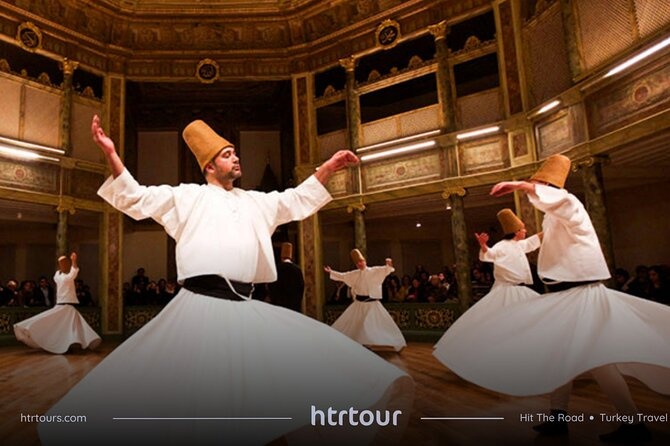
The whirling dervish ceremony (Sema) is one of the most spiritually profound and visually stunning elements of a Turkish Night Show. This ancient practice of the Mevlevi Order has been recognized by UNESCO as an Intangible Cultural Heritage of Humanity.
The History of the Mevlevi Order
The Mevlevi Order was founded in the 13th century by the followers of Jalal ad-Din Muhammad Rumi, known in the West as simply Rumi. Born in 1207 in what is now Afghanistan, Rumi settled in Konya, in central Anatolia, where he lived, wrote, and taught until his death in 1273.
The Meaning of the Sema
The Sema is far more than a dance - it's a spiritual practice, a form of active meditation, and a symbolic journey toward truth and divine love. Every element of the ceremony has deep meaning:
The White Robe (Tennure): Represents the ego's shroud. When the dervish removes the black cloak, they are symbolically leaving their ego behind.
The Tall Hat (Sikke): Represents the ego's tombstone.
The Spinning: Represents the planets orbiting the sun, and the soul's journey toward divine truth.
The Whirling Technique
The whirling itself is a highly technical practice that takes years to master:
- Dervishes spin counter-clockwise, with the left foot acting as a pivot
- The right foot provides the momentum for the spin
- The head is tilted slightly to the left, with eyes open but unfocused
- Arms are positioned with the right hand up and left hand down
- Dervishes can spin for 20-30 minutes or more without stopping
Sema Tip
The whirling dervish performance is often the most photographed part of a Turkish Night, but try to experience it with more than just your camera. Put the phone down for a moment and simply watch - the visual and spiritual impact is much more powerful when you're fully present.
Traditional Turkish Music: The Soundtrack of the Night
Traditional Turkish music is the heartbeat of the Turkish Night experience. From the haunting notes of the ney to the rhythmic pulse of the darbuka, the music creates atmosphere, drives the dancing, and connects the performances.
The Instruments
A typical Turkish Night ensemble includes several traditional instruments:
The Ney: A reed flute that produces a haunting, breathy sound. The ney has been played in the Middle East for thousands of years and holds special significance in Sufi music.
The Oud: A pear-shaped string instrument similar to a lute, with 11 or 13 strings.
The Kanun: A trapezoidal zither with 26 courses of strings. Played with picks attached to the fingers.
The Darbuka: A goblet-shaped drum played with the hands. Provides the rhythmic drive for much of Turkish music.
Music Tip
Pay attention to how the music changes throughout the evening - from the contemplative sounds of the Sema to the energetic rhythms of folk dances to the sensual melodies of belly dance.
Dinner at Turkish Night: A Culinary Journey
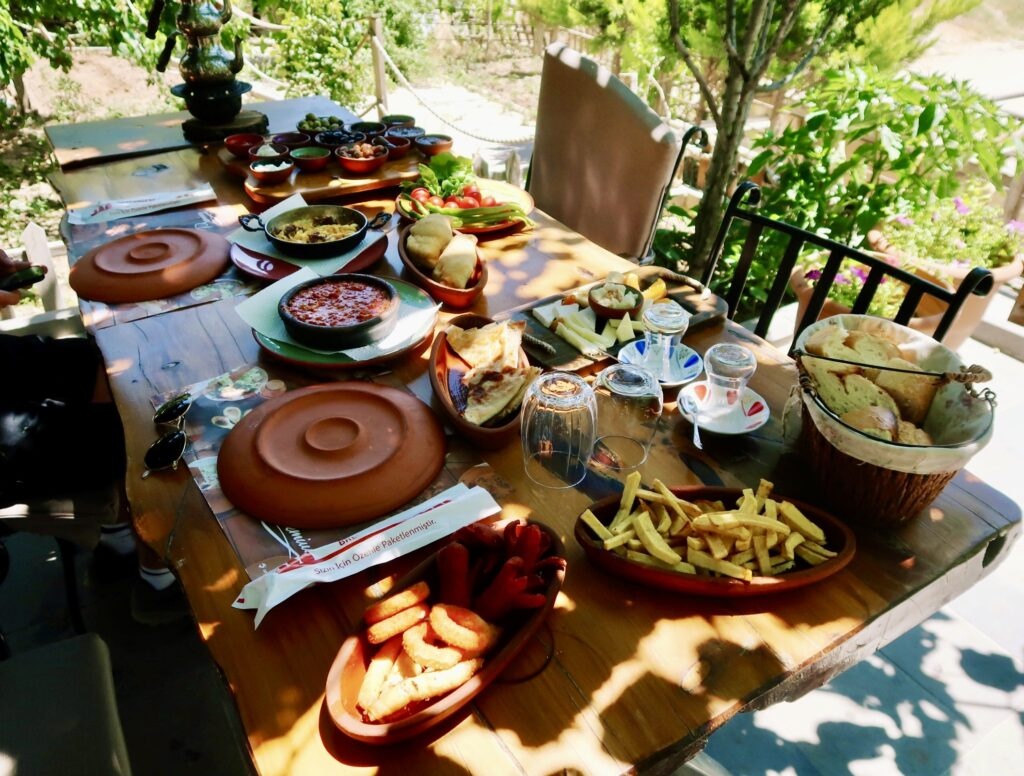
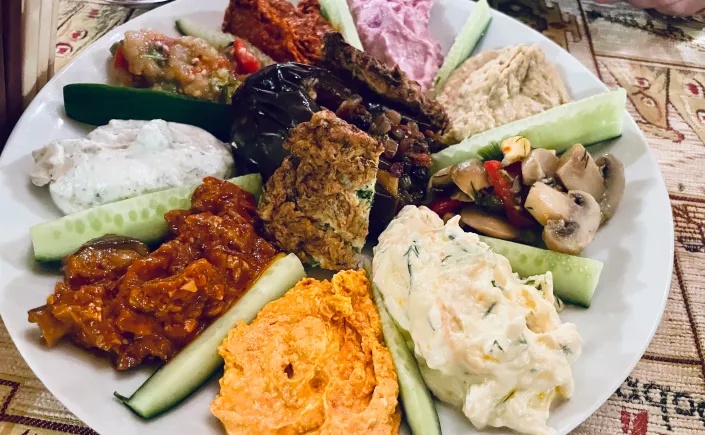
The dinner served at a Turkish Night is an essential part of the experience. Turkish cuisine is one of the world's great culinary traditions, and the multi-course meal introduces you to a wide variety of dishes, flavors, and cooking techniques.
The Structure of a Turkish Meal
A traditional Turkish meal follows a specific structure:
Meze: Small appetizer dishes that begin the meal.
Corba (Soup): A warm soup course, often lentil soup.
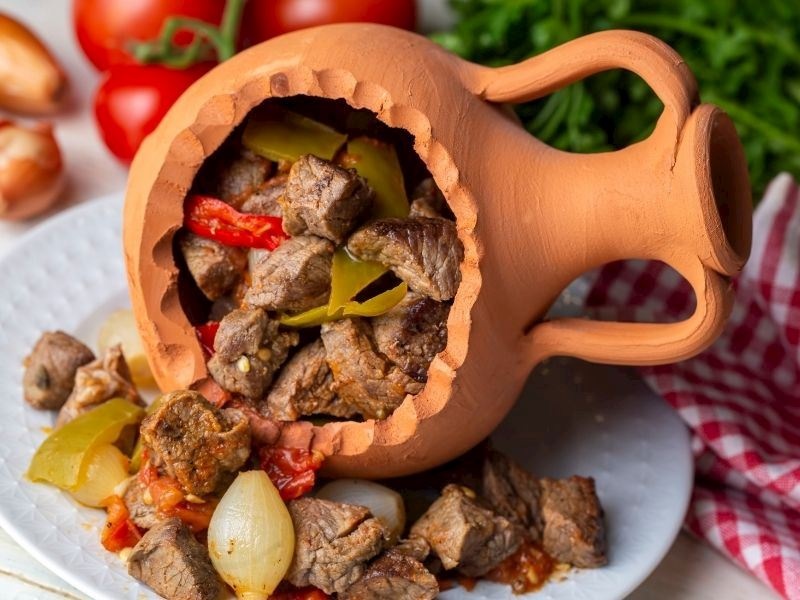
Ana Yemek (Main Course): The main dish, typically featuring grilled meat, rice, and vegetables.
Tatli (Dessert): A sweet ending to the meal, often featuring baklava.
Turkish Dining Etiquette
- Bread is served with every meal and is used to scoop up food
- It's polite to try a bit of everything
- Don't start eating until everyone at your table has been served
- Saying "Afiyet olsun" (Enjoy your meal) is appreciated
- Turkish coffee is typically served after dessert, not with it
Dining Tip
Come hungry! Turkish Night dinners are generous, and you'll want to try everything. Pace yourself through the meze so you have room for the main course and dessert.
Typical Turkish Night Menu
Welcome Drink
- Sherbet (Serbet): A traditional sweet, fruity drink
- Ayran: A yogurt-based savory drink
- Fresh juice: Seasonal fruit juice
Meze (Appetizers)
- Hummus: Chickpea dip with tahini, lemon, and garlic
- Baba Ganoush: Smoked eggplant dip
- Cacik: Yogurt with cucumber and garlic
- Dolma: Stuffed grape leaves with rice and herbs
- Sigara Boregi: Crispy cheese-filled pastries
- Shepherd's Salad: Fresh tomato, cucumber, and pepper salad
Soup (Corba)
- Mercimek Corbasi: Red lentil soup
- Ezogelin Corbasi: Spicy lentil and bulgur soup
- Domates Corbasi: Tomato soup
Main Course (Ana Yemek)
- Shish kebab: Cubed meat on skewers
- Adana kebab: Spicy minced meat
- Chicken shish
- Kofte: Meatballs
- Pilav: Turkish rice
- Grilled vegetables
Dessert (Tatli)
- Baklava: Layers of filo pastry with nuts and syrup
- Kunefe: Shredded pastry with cheese and syrup
- Sutlac: Baked rice pudding
Drinks
- Raki: Anise-flavored spirit
- Wine: Local Turkish wines
- Beer: Local Turkish beer
- Soft drinks
- Tea and Turkish coffee
Menu Tip
If you have dietary restrictions, inform the venue when booking. Most can accommodate vegetarian diets, and some can accommodate vegan, gluten-free, or other requirements with advance notice.
Turkish Night Venues in Cappadocia
Cappadocia offers several venues for Turkish Night Shows, each with its own character and atmosphere:
Goreme Venues
Goreme is the main tourist hub of Cappadocia and has the largest concentration of Turkish Night venues. Options range from intimate cave restaurants to larger purpose-built facilities.
Urgup Venues
Urgup is another major town with several Turkish Night options. The venues here tend to be slightly more upscale.
Uchisar Venues
Uchisar, with its dramatic castle and panoramic views, offers Turkish Nights in stunning settings.
Avanos Venues
Avanos, famous for its pottery tradition, has several venues that combine Turkish Nights with pottery demonstrations.
Choosing a Venue
When choosing a Turkish Night venue, consider location, reviews, price, atmosphere, group size, and transportation.
Venue Tip
Cave venues offer the most authentic Cappadocian atmosphere, but they can be chilly in winter. If visiting during colder months, dress warmly or choose a venue with heating.
Pricing and Packages for Turkish Night Shows
Price Ranges
Budget Turkish Night: €30-45 per person
Mid-Range Turkish Night: €45-65 per person
Luxury Turkish Night: €65-100+ per person
What's Typically Included
- 3-4 hour show
- Multi-course dinner
- Unlimited local drinks
- All performances
- Hotel pickup and drop-off
What's Not Included
- Imported drinks (premium spirits, imported wine)
- Tips for staff
- Professional photos (available as add-on)
- Personal expenses
Value Tip
The mid-range Turkish Nights (€45-65) typically offer the best balance of quality and value. You get good food, professional entertainment, and a comfortable venue without paying luxury prices.
What to Wear to a Turkish Night Show
Dress Code
Most Turkish Night venues have a smart casual dress code.
For Men:
- Long pants (jeans or trousers)
- Collared shirt or nice t-shirt
- Closed-toe shoes
For Women:
- Dress, skirt, or nice pants
- Blouse or nice top
- Comfortable shoes (you may be dancing!)
What to Avoid
- Beachwear (shorts, flip-flops, tank tops)
- Overly casual clothing
- High heels (you may be dancing)
Dress Tip
When in doubt, err on the side of slightly dressier rather than too casual. A Turkish Night is a special occasion, and dressing up adds to the festive atmosphere.
Cultural Etiquette at Turkish Night Shows
During Performances
Whirling Dervishes: Watch in respectful silence. This is a spiritual practice.
Other Performances: Applause is welcome and appreciated.
Photography: Flash photography is generally allowed, but be considerate of other guests.
During Dinner
- Don't rush through your meal
- If dishes are served family-style, share with your tablemates
- Drink responsibly
Audience Participation
If performers invite you to dance, feel free to participate. It's all in good fun.
Etiquette Tip
The most important rule is to relax and enjoy yourself! Turkish Nights are designed to be fun and welcoming.
Turkish Night Shows with Children
Turkish Night Shows can be a wonderful experience for families with children.
Age Appropriateness
Turkish Nights are generally appropriate for children of all ages. The colorful costumes, energetic dancing, and festive atmosphere appeal to kids.
Child Pricing
- Ages 0-3: Usually free
- Ages 4-12: 50% discount
- Ages 12+: Full price
Family Tip
Many families find Turkish Nights to be a highlight of their Cappadocia trip. Children often love the colorful costumes and energetic dancing.
Photography Tips for Turkish Night Shows
Camera Equipment
Smartphone: Modern smartphones perform well in low light.
Camera Settings:
- Use a high ISO (800-3200) for low light
- Use a fast shutter speed to freeze motion
- Turn off flash for the Sema ceremony
Best Shots
- Whirling Dervishes: Capture the spinning white robes
- Belly Dancer: The colorful costumes make for vibrant photos
- Folk Dancers: Traditional costumes and synchronized movements
- With Performers: Photo opportunities after the show
Photography Tip
The best photos often come from the audience participation segments when you can get closer to the performers.
Best Time to Attend a Turkish Night Show
Summer (June-August)
Pros: Warm evenings, lively atmosphere, more frequent shows
Cons: Crowded, need to book in advance
Best for: Atmosphere and energy
Spring/Autumn (April-May, September-October)
Pros: Comfortable temperatures, fewer crowds, good availability
Best for: Balanced experience
Winter (November-March)
Pros: Intimate atmosphere, lower prices
Cons: Fewer shows, cave venues can be cold
Best for: Budget travelers, cozy atmosphere
Timing Tip
If possible, schedule your Turkish Night for your first evening in Cappadocia. It's a great way to start your trip and sets the tone for your visit.
Frequently Asked Questions About Turkish Night Shows
What time do Turkish Night Shows start?
Most shows start between 7:30 PM and 8:30 PM and last 3-4 hours.
Is alcohol included?
Most Turkish Night packages include unlimited local drinks (wine, beer, raki, soft drinks).
Can vegetarians be accommodated?
Yes, most venues can provide vegetarian meals with advance notice.
Is transportation included?
Most packages include hotel pickup and drop-off in Goreme, Urgup, and surrounding areas.
How long is the show?
Typical Turkish Night Shows last 3-4 hours, including dinner and all performances.
Is there audience participation?
Yes, many shows include opportunities for guests to join the dancing.
What should I wear?
Smart casual dress is appropriate. Avoid beachwear or overly casual clothing.
Are Turkish Nights suitable for children?
Yes, Turkish Nights are family-friendly. Children often enjoy the colorful costumes and energetic dancing.
Can I take photos?
Yes, photography is generally allowed. Turn off flash during the whirling dervish ceremony out of respect.
Do I need to book in advance?
Booking in advance is recommended, especially during peak season (June-August).
Insider Tips for the Best Turkish Night Experience
Before You Go
- Book early - Popular venues fill up, especially in summer
- Come hungry - The dinner is generous and delicious
- Arrive on time - Shows start promptly
During the Show
- Try everything - Sample all the dishes
- Participate - Join the dancing when invited
- Talk to your tablemates - Turkish Nights are social events
After the Show
- Tip if deserved - Good service deserves recognition
- Get photos - Take advantage of photo opportunities
- Share your experience - Leave a review to help other travelers
Local Secret
The best Turkish Night experiences come from embracing the spirit of the evening. Let go of inhibitions, try new things, and allow yourself to be swept up in the music, dancing, and atmosphere.
Conclusion: An Evening to Remember
The Turkish Night Show is more than just dinner and entertainment - it's a journey into the heart of Turkish culture. From the spiritual transcendence of the whirling dervishes to the joyful energy of folk dances, from the sensual artistry of belly dance to the rich flavors of Turkish cuisine, a Turkish Night engages all your senses and leaves you with memories that last a lifetime.
In Cappadocia, where the days are filled with natural wonders - fairy chimneys, underground cities, and ancient valleys - a Turkish Night provides the perfect evening complement. It's a chance to relax, be entertained, and deepen your understanding of the culture that has shaped this remarkable region.
Whether you're traveling solo, as a couple, with family, or in a group, a Turkish Night Show offers something for everyone. So book your Turkish Night, come hungry, and prepare for an evening of magic, music, and memories. Afiyet olsun!
Ready for an Unforgettable Evening?
Book your Turkish Night Show today and save 10% with early booking. Limited availability - reserve your spot now!
Book via WhatsAppOr call us: +90 555 123 4567
Related Articles
- Hot Air Balloon Tour Cappadocia: Complete 2026 Guide
- Red Tour North Cappadocia: Complete Guide
- Green Tour South Cappadocia: Ihlara Valley Guide
- Horseback Riding Tour Cappadocia
- ATV Quad Bike Tour Cappadocia
- Cappadocia Tours: 2026 Guide to All Tours
Sources and References
- UNESCO - Intangible Cultural Heritage: Sema ceremony
- Ministry of Culture and Tourism, Republic of Turkey
- Mevlana Museum and Cultural Center, Konya
- Turkish Folk Dance Federation
- Cappadocia Tourism Association
Last updated: April 2026. Information is subject to change.