
What you will discover in this guide
Cappadocia is one of those rare destinations that feels both timeless and imaginative. The rock formations look almost unreal, the cave hotels feel romantic and mysterious, and the sunrise balloon flights have become world famous. Yet for many travelers, the most meaningful moments are not always the most photographed ones. Sometimes the strongest memory comes from a quiet workshop, a spinning wheel, a lump of red clay, and the patient hands of a local master who has practiced the same art since childhood.
That is exactly why the Cappadocia pottery workshop experience has become such an important part of the region’s cultural identity. In the town of Avanos, just a short drive from many of the main sights in Cappadocia, pottery is more than a souvenir business. It is a living tradition rooted in the land itself. The famous red clay from the Kızılırmak River has shaped not just bowls, jugs, plates, and decorative ceramics, but also the story of the town and the craft passed through generations of local families.
The Ancient History of Pottery in Cappadocia
Pottery in this part of Anatolia stretches back thousands of years. Long before Cappadocia became famous for tourism, the people of the region were already using clay to produce practical and ceremonial objects. Historians often connect the earliest ceramic traditions here to the Hittites, one of the great civilizations of ancient Anatolia. Over the centuries, these early techniques evolved, absorbing influences from Roman, Byzantine, Seljuk, and Ottoman culture.
What makes the tradition especially powerful in Avanos is its continuity. This is not a modern performance created for tourists. It is a true inherited craft. Many local families have worked with clay for generations, and some workshops still preserve techniques that feel astonishingly close to old Anatolian methods. The wheel may be smoother today, the glazing more refined, and the showroom more polished, but the spirit of the craft remains unchanged: earth, water, movement, patience, and fire.
The clay itself is central to the story. The Kızılırmak River, known as the Red River, is the longest river entirely within Turkey. Its mineral-rich sediment provides the distinctive reddish clay that has long made Avanos pottery special. This local clay is not simply raw material. It is part of the identity of the town. When you touch it in a workshop, you are touching something that has shaped local culture for centuries.
In Avanos, pottery is not just an object you buy. It is a tradition you watch, feel, shape, and remember.
Why Avanos Is the Heart of Cappadocia Pottery
While Cappadocia includes many famous places such as Göreme, Uçhisar, Ürgüp, and Ortahisar, Avanos is the town most closely associated with ceramic craftsmanship. Located along the river, it developed naturally as a center of pottery because of both geography and tradition. The availability of high-quality red clay made it possible for families to build a local economy around handcrafted ceramics, and that tradition has remained strong into the present day.
Travelers often come to Avanos expecting a simple shopping stop, but the town offers much more. There is a calm and creative atmosphere here that feels different from the dramatic valley viewpoints and crowded sunrise photography spots elsewhere in the region. In Avanos, the pace is slower. The focus is on detail, craft, and process. You can walk through local streets, browse artisan displays, visit historic workshops carved into stone or built into cave-like interiors, and understand that pottery here belongs to everyday life as much as it belongs to art.
Many visitors also love Avanos because it provides one of the best indoor cultural experiences in Cappadocia. If you visit during a cooler season, or if you simply want a more immersive local activity between outdoor tours, a pottery workshop is a perfect addition to your itinerary. It is relaxed, interactive, informative, and suitable for a wide range of travelers, from art lovers to families with children.
What Happens in a Cappadocia Pottery Workshop?
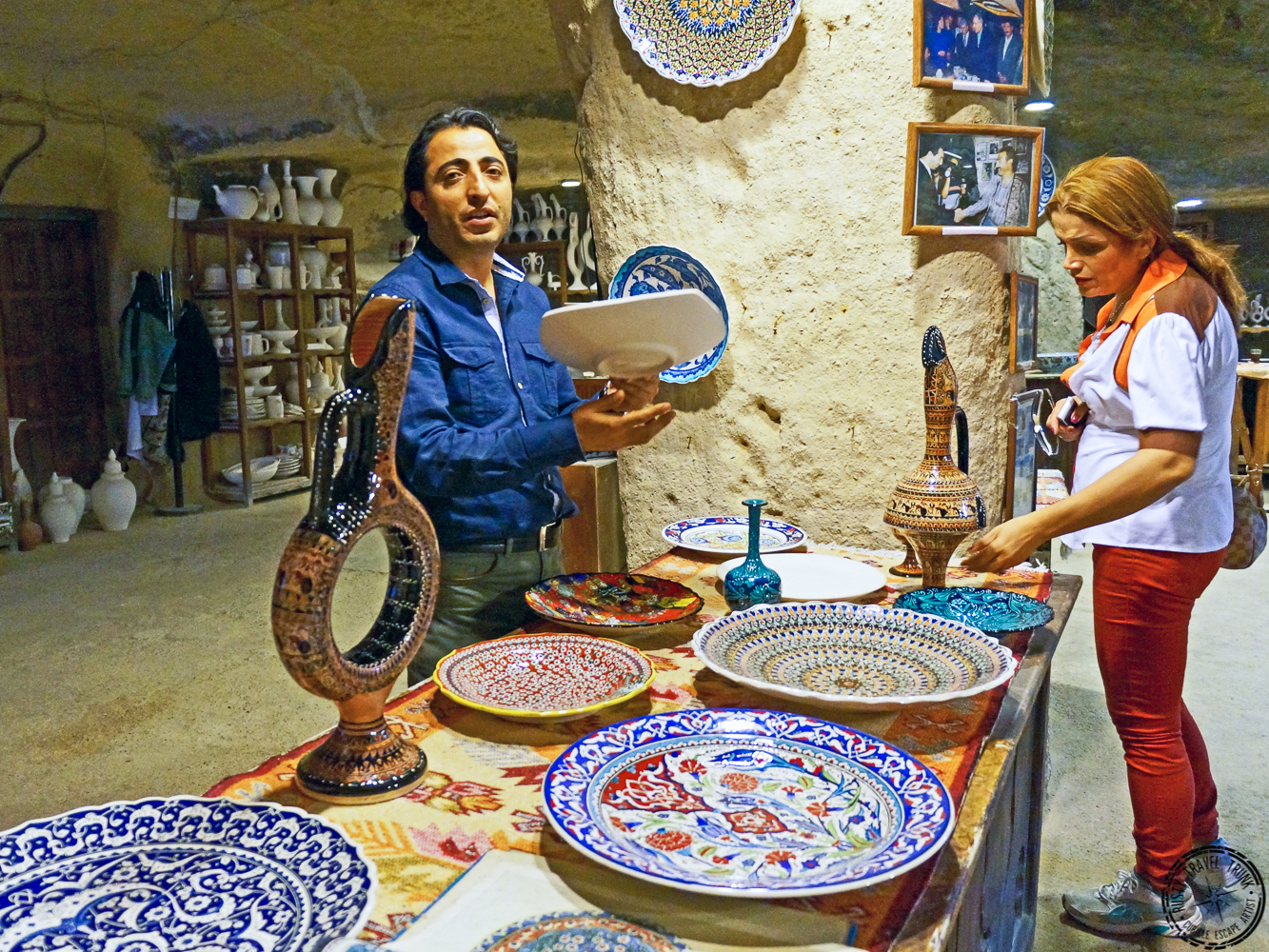
The experience usually begins with an introduction to the workshop and the tradition behind it. A local artisan or guide explains where the clay comes from, how it is prepared, and why pottery became so important to Avanos. In many workshops, this introduction is followed by a live demonstration. This is often the moment when visitors become truly captivated.
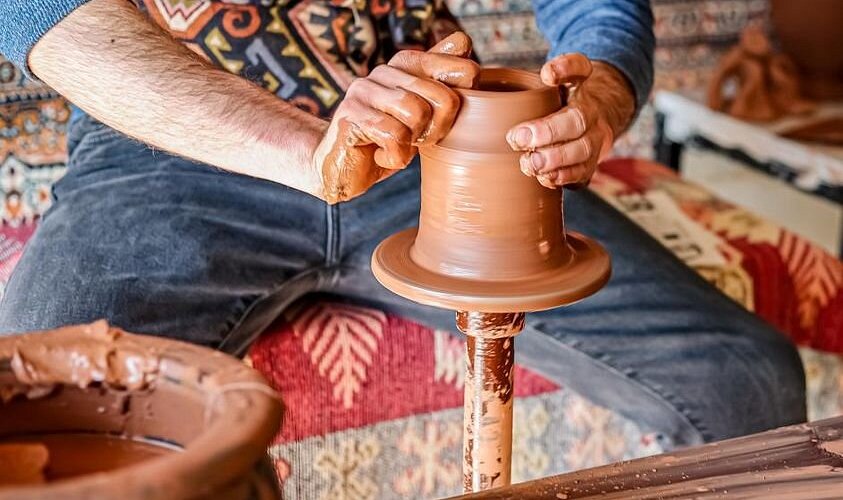
Watching a master work at the wheel is almost hypnotic. What begins as a simple piece of clay quickly transforms into a balanced and elegant form. With practiced movements, the artisan centers the clay, controls the pressure of the fingers, lifts the walls, shapes the neck, and creates an object that appears both effortless and impossibly precise. It might be a vase, a bowl, a ceremonial pitcher, or one of the decorative forms the region is known for.
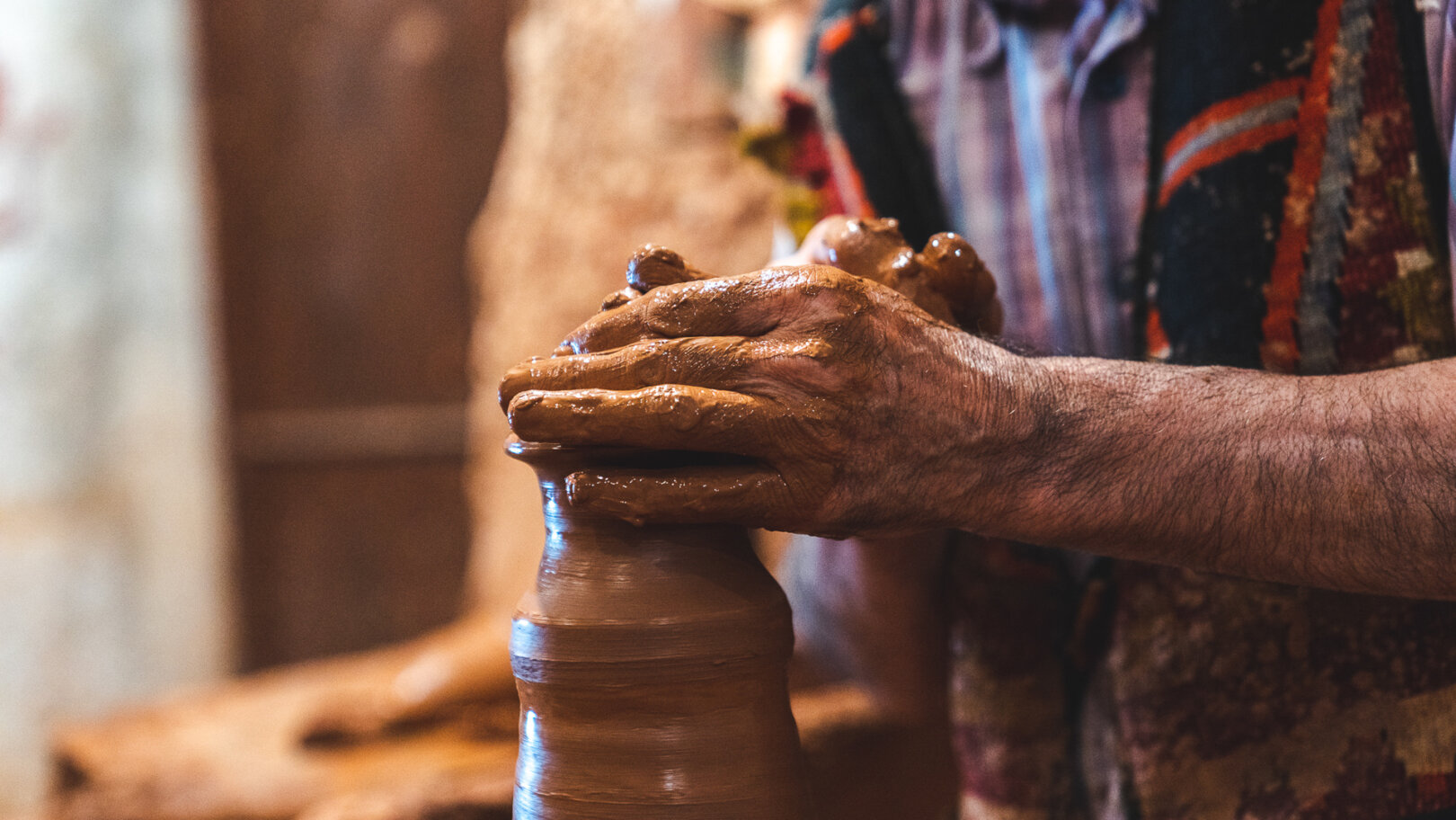
Some workshops also explain the stages after shaping. Drying, carving, firing, glazing, and hand-painting all play important roles. A finished ceramic object represents not just one short moment on the wheel, but an extended process that can take days or even longer depending on the design. This helps visitors understand why handmade pottery has lasting value. Every piece reflects time, skill, and the personality of the maker.
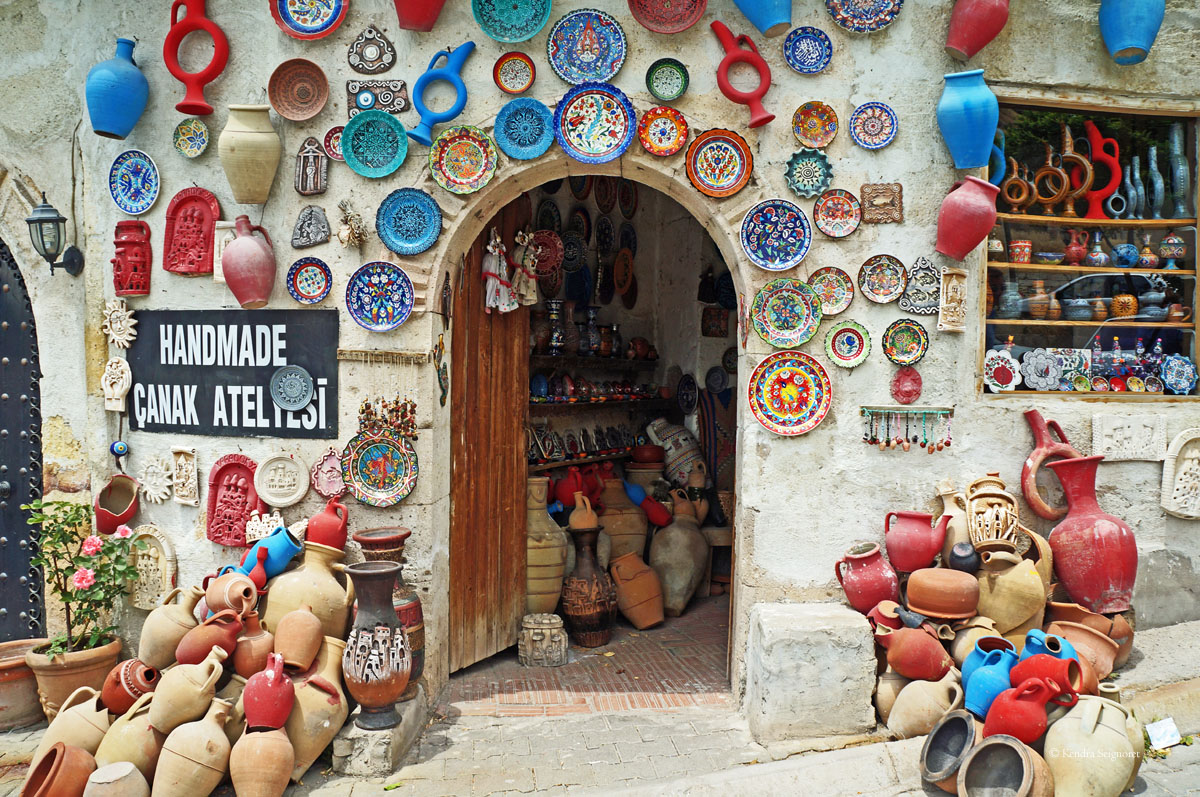
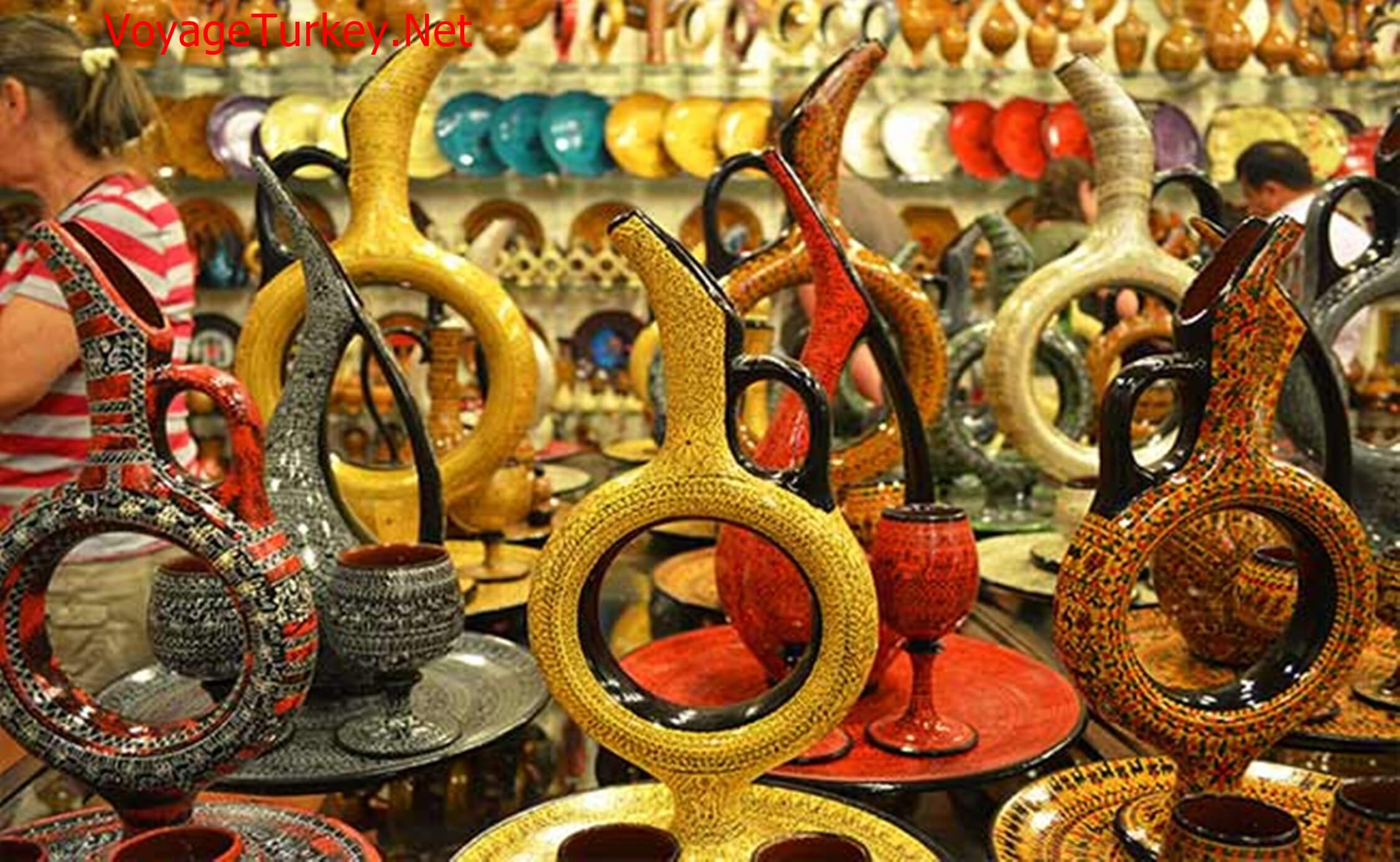
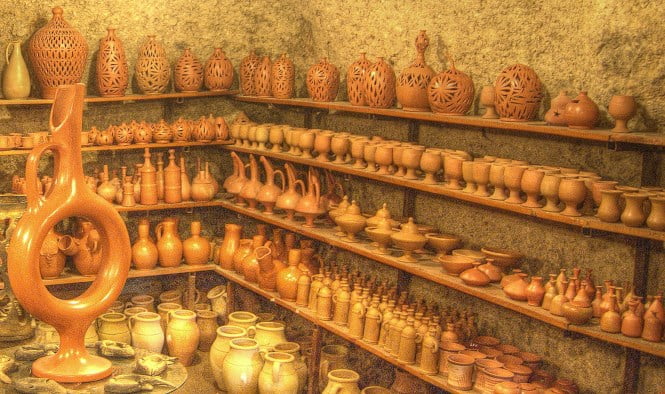
In many places, the workshop visit continues into a gallery or showroom where you can see the variety of local design. Some pieces are rustic and earthy, celebrating the natural beauty of the clay itself. Others are highly decorative, painted with vibrant blues, reds, whites, golds, and traditional Anatolian motifs. You may see elegant plates, fine cups, lamp bases, decorative jugs, and modern artistic sculptures inspired by old forms.
Trying the Pottery Wheel Yourself
For most travelers, the highlight is the chance to try the wheel personally. This transforms the visit from a demonstration into a genuine hands-on cultural experience. It is one thing to admire pottery and quite another to feel the clay move under your own fingers.
At first, it often seems easier than it actually is. The wheel spins, the clay turns smoothly, and the instructor’s hands make the process look natural. But once you sit down and begin, you quickly realize that pottery requires concentration, balance, and sensitivity. Even centering the clay can be surprisingly difficult for a beginner. Yet that is exactly what makes it enjoyable. It is tactile, playful, and memorable.
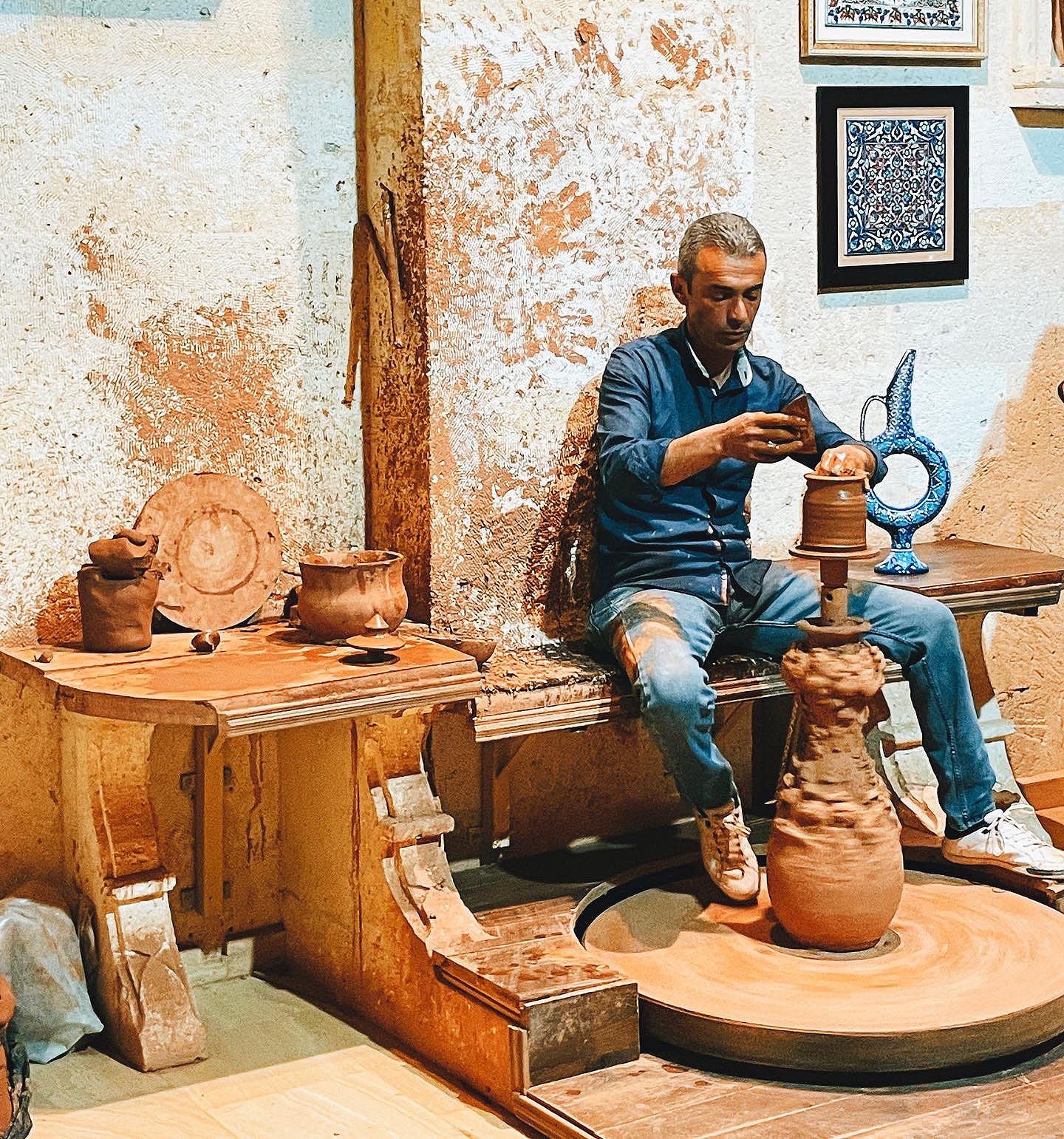
Most visitors do not expect to create a masterpiece. The real value lies in participation. You laugh, learn, make mistakes, and for a few minutes become part of a tradition much older than yourself. Couples often find it romantic, families find it fun, and solo travelers often describe it as grounding and meditative. It is also a fantastic activity for photos, since the wheel, clay, and workshop setting create naturally authentic travel memories.
Some workshops let you keep your simple handmade piece, while others focus more on the experience itself. In certain cases, finished items can be fired later or shipped. Policies vary from one workshop to another, but the emotional takeaway is always stronger than the object. Even if your first clay shape leans sideways or collapses in your hands, you will remember the sensation of creating something from the earth of Cappadocia.

Traditional Designs, Colors, and Symbolism
One of the most fascinating parts of the Cappadocia pottery experience is seeing how local craftsmanship blends practicality with beauty. Traditional ceramics are not only shaped carefully; they are also decorated with extraordinary attention to detail. In Avanos and around Cappadocia, many ceramic patterns reflect wider Anatolian artistic traditions. You may notice floral motifs, geometric rhythm, Ottoman-inspired ornament, and symmetrical hand-painted borders that give each piece a distinctive visual character.
Color is equally important. Deep cobalt blue, rich turquoise, earthy red, ivory white, black outlines, and warm gold accents are common in many decorative designs. Some ceramics lean into classic Turkish aesthetics, while others are more contemporary and artistic. The result is a broad spectrum of handmade objects that can appeal to both traditional collectors and modern design lovers.
Many visitors are surprised to discover how varied the ceramic world of Avanos really is. Beyond plates and bowls, there are tall decorative vessels, sculptural forms, mosaic-inspired surfaces, symbolic jugs, wall pieces, and ceremonial-looking objects that seem to carry stories from older times. This variety makes shopping in a pottery workshop feel far more personal than browsing generic souvenirs.
If you plan to buy a ceramic piece, consider choosing something that truly reflects your own experience. Some travelers prefer a smaller hand-painted plate that is easy to transport. Others choose a statement vase or decorative object that becomes a long-term reminder of Cappadocia at home. Either way, local pottery is one of the most meaningful souvenirs you can take from the region because it carries both beauty and cultural depth.
Why This Is One of the Best Things to Do in Cappadocia
Many visitors come to Cappadocia searching for iconic highlights: balloon rides, panoramic viewpoints, fairy chimneys, valley hikes, jeep safaris, and cave suites. These are all memorable, but the pottery workshop experience offers something different. It adds human connection. It slows the journey down. It shifts the focus from scenery to craftsmanship, from observation to participation.
That is why pottery workshops appeal to such a wide audience. They work well for couples who want a shared cultural activity. They work for families looking for something creative and child-friendly. They work for photographers who want warm textures and genuine local moments. They work for travelers who are tired of purely passive sightseeing and want an experience with emotion and substance.
Authentic
Rooted in the true history and craft tradition of Avanos rather than a generic tourist performance.
Interactive
You can watch, ask, touch, try, learn, and engage instead of simply walking through a site.
Memorable
The combination of artistry, local storytelling, and hands-on participation leaves a lasting impression.
It is also one of the best ways to understand how local culture survives through skilled work. In a world where so much is mass-produced, handmade pottery feels refreshing and real. Seeing a master shape clay in seconds reminds you that beauty often begins in simplicity. Touching that same clay yourself reminds you that craft is not abstract. It is physical, imperfect, and deeply human.
Best Time to Visit a Pottery Workshop in Cappadocia
The good news is that pottery workshops can be visited all year round. This makes them especially useful when planning a balanced itinerary. In spring and autumn, they work beautifully as part of a full-day Avanos or Cappadocia route. In summer, they provide a pleasant indoor cultural break from the midday heat. In winter, they become even more appealing because the workshop atmosphere feels warm, intimate, and cozy.
Morning and early afternoon are often ideal times to visit. Workshops may feel calmer then, allowing for a more relaxed demonstration and easier interaction with local staff or artisans. If you visit during peak travel periods, arriving a little earlier can make the experience more personal.
Useful Tips Before You Go
To get the most out of your Cappadocia pottery workshop experience, it helps to approach it with curiosity rather than rush. This is not a place to move through quickly. The more time you give to the demonstration, the conversation, and the atmosphere, the more rewarding it becomes.
- Wear comfortable clothes: Trying the wheel can get a little messy, especially if you are enthusiastic with the clay.
- Ask questions: Artisans often enjoy explaining local traditions, production stages, and the meaning of certain forms.
- Take your time in the gallery: Handmade ceramics deserve closer attention than ordinary souvenirs.
- Bring your camera or phone: Pottery workshops are visually rich and excellent for authentic travel photos.
- Combine it with Avanos exploration: The town itself is pleasant to walk through and adds depth to the experience.
If you are planning a broader Cappadocia itinerary, a pottery workshop pairs very well with an Avanos riverside stroll, a Red Tour route, or a quieter half-day focused on local culture. It is one of those activities that naturally complements the more famous attractions without competing with them.
Who Will Enjoy This Experience Most?
The truth is that almost anyone can enjoy a pottery workshop in Cappadocia, but some travelers tend to love it even more. Creative travelers appreciate the tactile and artistic side. Couples enjoy the charm and intimacy of shaping clay together. Families often find it one of the easiest cultural activities to share across generations. Travelers interested in Turkish history, local traditions, and handmade craftsmanship find it especially rewarding.
It is also ideal for visitors who want a slower, more meaningful side of Cappadocia. Not every memorable travel experience needs to be thrilling or dramatic. Some of the best ones are calm, sensory, and human. Pottery in Avanos belongs to that category. It invites you to stop, observe, learn, and create.
Final Thoughts: Why You Should Not Skip the Avanos Pottery Experience
There are many reasons why Cappadocia remains one of Turkey’s most unforgettable destinations, but what gives it real depth is not only the landscape. It is the culture, the continuity, and the creativity of the people who live there. A pottery workshop in Avanos captures all of that in a way very few tourist activities can.
It connects you to the earth through clay, to local history through inherited craftsmanship, and to your own sense of curiosity through hands-on making. It can be elegant, fun, educational, photogenic, relaxing, and inspiring all at once. Most importantly, it offers a kind of authenticity that travelers increasingly seek but do not always find.
So if you are planning your time in Cappadocia and want more than just famous viewpoints and checklist moments, add a traditional pottery workshop to your route. Whether you leave with a ceramic piece, a few memorable photos, or simply the feeling of clay turning beneath your hands, you will leave with something much more valuable than an ordinary souvenir. You will leave with a genuine connection to one of Cappadocia’s oldest living arts.
Where can I find the best pottery workshop in Cappadocia?
Avanos is the most famous town for pottery in Cappadocia and is the best place to visit traditional workshops, watch local artisans, and try the wheel yourself.
Can beginners try pottery in Avanos?
Yes. Most workshops are designed to welcome first-time visitors, and local instructors usually guide you through the basic shaping process.
Is the pottery workshop experience suitable for children?
Yes, many families enjoy this activity because it is interactive, safe, creative, and enjoyable for different age groups.
How long does a typical pottery workshop visit take?
It depends on the place, but many visits range from a short demonstration stop to a longer hands-on cultural experience that lasts around one hour or more.
Looking for more authentic Cappadocia experiences?
Combine your pottery workshop visit with balloon flights, valley tours, local food experiences, horse riding, ATV adventures, and other unforgettable cultural moments across Cappadocia.
Explore More Cappadocia Guides